
section heading hidden

Our Latest News

19 Sep 2026
Spotting Natterjack Toads in Dune Slack Pools

15 Sep 2026
Simple Ways to Protect Fragile Dune Systems
Article
- Home
- Blog
- By Understanding Rip Currents Before You Enter the Sea
- Comments 35
- 20 Nov 2026
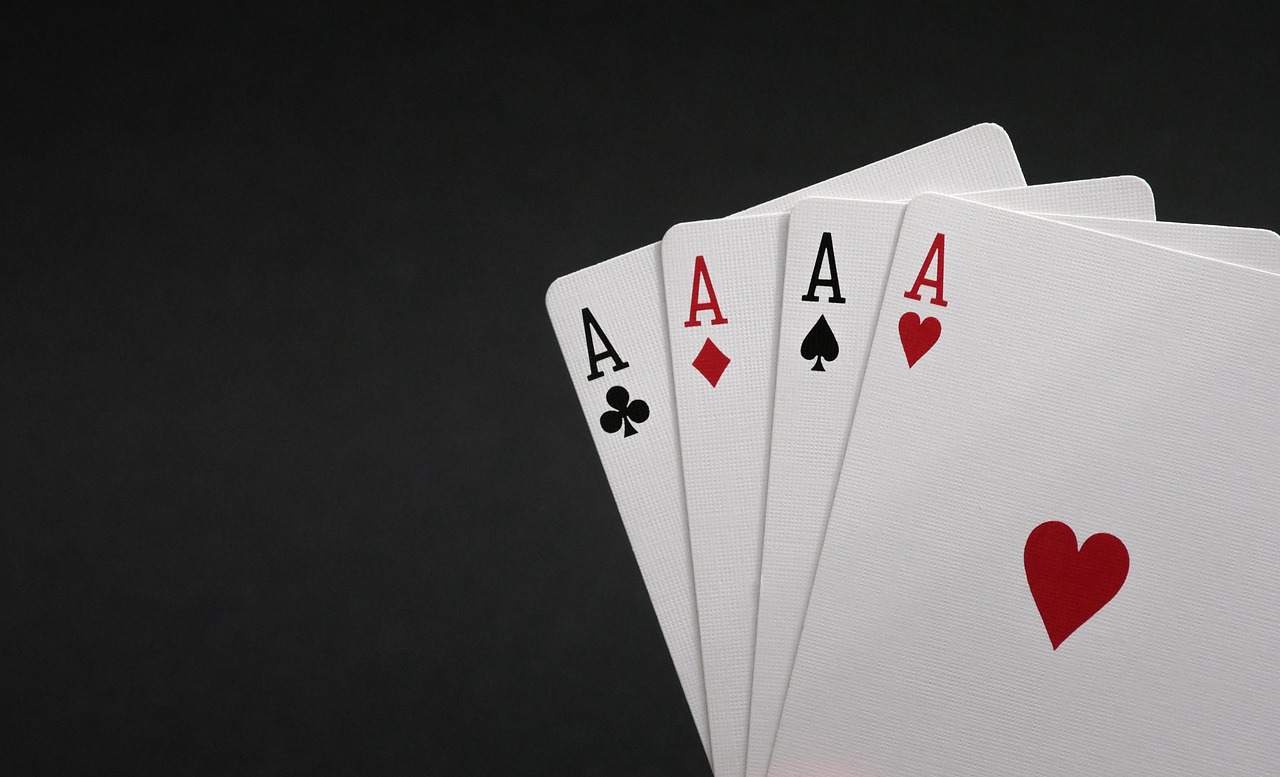
Inside the Mind of a Slot Player: RTP, Volatility, and the Truth About Luck
Ask ten slot players why they choose one machine over another and you'll get ten different answers. Some swear by the bright lights and loud bonuses. Others chase jackpot tickers or stick stubbornly to the same three games they've played for a decade. But underneath all the personal quirks, there's a quiet science running the show — and understanding it won't kill the fun. It might actually make you a sharper player.
I've spent years watching how people interact with casino games, and the gap between what players think is happening and what's actually happening on the reels is enormous. Let's close that gap.
RTP: The Number Nobody Reads (Until They Lose)
Return to Player, or RTP, is the percentage of all wagered money a slot is programmed to pay back over millions of spins. A 96% RTP game keeps 4% for the house on average. That sounds straightforward, but here's the catch: RTP is a long-term statistical average, not a promise for your session. Readers looking for specifics may like สล็อตเว็บตรง.
You could sit down at a 97% RTP slot and lose twenty spins in a row. You could also hit a 500x multiplier on spin three. Neither outcome tells you anything about whether the game is "due" or "hot." Modern slots use Random Number Generators (RNGs) that determine every single outcome independently. There is no memory, no momentum, no cosmic debt to be repaid.
A few concrete reference points worth knowing:
- Online slots typically range from 94% to 97% RTP. Land-based machines often sit lower, sometimes 85% to 92%, because of higher operating costs.
- Blackjack played with basic strategy can push RTP above 99.5%, and video poker variants like Jacks or Better can reach 99.5%+ with perfect play.
- Progressive jackpot slots often have lower base RTP (sometimes under 90%) because a slice of every bet feeds the growing prize.
None of this means you should only play the highest RTP games. It means you should know what you're trading. If you love a flashy branded slot with 94% RTP and huge volatility, that's a legitimate choice — just make it consciously.
Volatility: The Personality of a Slot
If RTP is the game's long-term financial profile, volatility is its personality. Low-volatility slots pay smaller amounts more frequently, giving you longer playtime on a given bankroll. High-volatility slots go quiet for long stretches, then explode with big wins.
Think of it like this: two games both have 96% RTP. One pays you $5 every few spins. The other pays nothing for 100 spins, then drops $800. Same expected return, wildly different experiences.
Which should you choose? It depends entirely on your bankroll and your tolerance for sweaty palms. A general rule many experienced players follow:
- Small bankroll, want a long session? Lean toward low or medium volatility.
- Chasing a big score and comfortable losing your deposit quickly? High volatility is your playground.
- Playing with bonus funds that carry wagering requirements? Medium volatility often balances risk and playthrough speed.
Volatility also affects how bonuses and free spins behave. A high-volatility slot might burn through your free spins with zero return — or turn a $0.20 spin into a $1,500 payout. That unpredictability is the point.
Why Table Games Still Matter in an iGaming World
Slots dominate online casino lobbies, often representing 70% or more of total gaming revenue for operators. But table games — poker, blackjack, roulette, baccarat — offer something slots can't: decisions that genuinely affect outcomes.
In blackjack, basic strategy can reduce the house edge to roughly 0.5%, and card counting (where legal) can theoretically flip the advantage. In poker, you're not playing against the house at all — you're playing against other people, and the house takes a rake. That single structural difference changes everything. Poker rewards skill, patience, psychology, and bankroll management in a way no slot ever will.
If you're transitioning from slots to poker, here's the honest truth: the learning curve is steep, and the variance can be brutal. But the ceiling is far higher. A solid cash game player can achieve a positive win rate over thousands of hands — something that's mathematically impossible on a slot machine.
Bonuses, Wagering, and the Fine Print That Bites
Welcome bonuses look generous until you read the terms. A 100% match up to $500 sounds great — until you discover that the wagering requirement is 40x the bonus amount, and slots only contribute 60% toward clearing it. Suddenly that "free" money is a part-time job.
Before claiming any bonus, check these details:
- Wagering requirement: 35x is common, 50x is rough, 20x or lower is player-friendly.
- Game contribution rates: Slots usually count 100%, table games often 10–20%, and some games contribute nothing.
- Maximum bet while wagering: Exceeding it — even accidentally — can void your winnings.
- Time limits: Many bonuses expire in 7 to 30 days.
- Maximum cashout: Some promotions cap how much you can withdraw from bonus winnings.
My advice: sometimes the unbonused deposit is the better deal. If you're a poker player or a blackjack grinder, most bonuses are practically useless to you. Take the clean deposit and keep your freedom.
The Psychology Trap: Chasing, Tilting, and False Patterns
Casinos are designed to keep you playing, and the psychology is sophisticated. Near-misses on slots — two jackpot symbols with the third just above the payline — activate the same reward pathways in your brain as an actual win. Losses disguised as wins (a $0.50 payout on a $1.00 bet with celebratory sound effects) blur the line between winning and losing.
The two most dangerous patterns are chasing and tilting. Chasing means increasing your bets to recover losses. Tilting means playing emotionally after a bad beat. Both destroy bankrolls faster than any house edge ever could.
Countermeasures that actually work:
- Set a loss limit before you start and treat it as absolute.
- Take breaks every 45–60 minutes, even when you're winning.
- Never play with money you need for anything else.
- Track your sessions honestly, including the losses you'd rather forget.
Self-awareness isn't a buzzword here. It's the single most profitable habit a player can build.
The Long Game
iGaming offers genuinely remarkable entertainment — the variety, the design, the accessibility are unmatched by any land-based floor. But the players who enjoy it most over the long haul are the ones who understand the math, respect the variance, and never mistake entertainment for income. Know the RTP, match volatility to your bankroll, read the bonus terms, and guard your psychology like it's your bankroll. The house edge is real, but so is your ability to walk away a smarter player every single session.
Share:

Photographing Sand Dunes in Soft Morning Light
Follow flat sandy paths past reed beds and salt marshes. This route suits families and offers plenty of spots for a flask and sandwich.
5 Comments
-

Robert Sonny says Jul 21, 2024 at 10:00am
I must explain to you how all this mistaken idea of denouncing pleasure and praising pain was born and I will give you a complete account of the system
Reply-

John Abraham says Jul 21, 2024 at 10:00am
I must explain to you how all this mistaken idea of denouncing pleasure and praising pain was born and I will give you a complete account of the system
Reply-

Robert Sonnysays Jul 21, 2024 at 10:00am
I must explain to you how all this mistaken idea of denouncing pleasure and praising pain was born and I will give you a complete account of the system
Reply
-
-
-
Robert Sonny says Jul 21, 2024 at 10:00am
I must explain to you how all this mistaken idea of denouncing pleasure and praising pain was born and I will give you a complete account of the system
Reply
Leave a reply

Trending Topics
Popular Post
11 Sep 2026
A Circular Walk Around a Scottish Dune Reserve

29 Aug 2026
Using a Map and Compass on Coastal Paths


How We Can
Help You!
Natterjack toads favour shallow, warm dune pools. Listen for their rasping call at dusk and watch for yellow stripes along the back.
Contact Us
There are many variations of passages of Real stories, useful guides and the occasional recommendation, all in one calm corner of the web.
Important Link
Recent Post
-
Capturing Wildlife Without Disturbing Dune Habitats
25 Aug 2026 -
Lightweight Jackets for Windy Seaside Days
19 Aug 2026
Newsletter
Many desktop publi’s shing packages web page editors now is use sites.
Copyright © 2026 Dune Page. All rights reserved.Dune Page.